
Coverage of Famous Festivals: Celebrating Culture, Tradition, and Community Around the World
 Bring Roger
 Festivals are among humanity’s oldest and most meaningful traditions. They bring people together to celebrate history, faith, culture, seasonal changes, artistic expression, and shared values. Across continents, festivals transform ordinary streets, parks, villages, and cities into vibrant spaces filled with music, food, dance, colorful decorations, and joyful gatherings. Whether rooted in centuries-old customs or modern celebrations, famous festivals showcase the diversity and creativity of communities around the world.
Coverage of famous festivals plays an important role in preserving traditions and introducing audiences to cultural experiences they may never have the opportunity to witness in person. Through articles, documentaries, photography, broadcasts, and digital media, festival coverage allows people to appreciate the significance of these events while encouraging responsible tourism and cross-cultural understanding.
The Importance of Festival Coverage
Festival coverage goes beyond reporting dates and activities. It tells the stories behind traditions, explains their historical origins, highlights local customs, and captures the emotions of participants. Good coverage helps audiences understand why festivals matter to the communities that celebrate them.
Journalists, photographers, filmmakers, and travel writers often spend considerable time researching festivals to present accurate and respectful information. Their work helps preserve cultural heritage while inspiring curiosity among readers and viewers worldwide.
Coverage also supports local economies by increasing awareness of destinations that host annual celebrations. Visitors who attend festivals often contribute to hotels, restaurants, transportation providers, artisans, and local businesses, creating positive economic opportunities for communities.
Showcasing Cultural Diversity
Every country celebrates festivals in its own unique way. Some focus on religious observances, while others commemorate historical milestones, harvest seasons, artistic traditions, or community achievements. Festival coverage allows audiences to appreciate the incredible diversity of global cultures.
Traditional clothing, ceremonial rituals, local music, handcrafted decorations, and regional cuisine become central elements of festival storytelling. Instead of simply describing colorful events, quality coverage explains the meaning behind these customs and why they continue to be important across generations.
By highlighting different traditions, festival reporting encourages respect for cultural diversity and promotes greater understanding between people from different backgrounds.
Religious Festivals Around the World
Many of the world’s most famous festivals are deeply connected to religious beliefs and spiritual traditions. These celebrations often include ceremonies, prayers, processions, music, and acts of charity that reflect centuries of cultural heritage.
Coverage of religious festivals requires sensitivity and respect. Reporters must understand local customs, dress appropriately, and avoid disrupting sacred ceremonies. Explaining the spiritual significance of these events helps audiences appreciate their importance beyond their visual beauty.
Religious festivals also demonstrate how faith influences architecture, art, music, family traditions, and community life. Coverage that emphasizes these deeper connections provides valuable educational insights for readers.
Celebrating Music and Performing Arts
Music festivals attract millions of visitors every year by bringing together artists, performers, and audiences from around the world. These events showcase diverse musical styles ranging from classical orchestras and jazz ensembles to folk traditions, electronic music, and contemporary performances.
Coverage often includes artist interviews, performance reviews, behind-the-scenes preparation, audience experiences, and discussions about emerging musical trends. High-quality reporting captures not only the performances themselves but also the atmosphere that makes each festival memorable.
Performing arts festivals also celebrate theater, dance, opera, and cultural performances that preserve traditional storytelling while encouraging creative innovation.
Food Festivals and Culinary Traditions
Food festivals provide opportunities to explore local cuisine while celebrating regional ingredients, family recipes, and culinary craftsmanship. Visitors can sample traditional dishes, attend cooking demonstrations, and learn about the history behind beloved recipes.
Coverage of culinary festivals often focuses on chefs, farmers, local producers, and food artisans whose work represents generations of knowledge. Stories about sustainable agriculture, seasonal ingredients, and regional specialties help audiences understand the cultural significance of food.
Photographs of beautifully prepared dishes and vibrant marketplaces add visual appeal while inspiring travelers to experience local cuisine firsthand.
Seasonal Celebrations
Many famous festivals are closely connected to the changing seasons. Spring festivals often celebrate renewal and blooming landscapes, while autumn festivals honor harvests and agricultural traditions. Winter festivals frequently feature lights, markets, and celebrations that bring warmth and joy during colder months.
Coverage of seasonal festivals highlights how communities adapt traditions to their natural environments. Decorations, foods, clothing, and activities often reflect the climate and local resources available during each season.
These celebrations remind audiences of humanity’s long-standing relationship with nature and the agricultural cycles that have shaped civilizations for thousands of years.
Parades, Costumes, and Spectacles
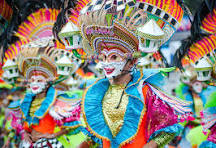
Large public parades are among the most visually exciting aspects of many famous festivals. Colorful floats, elaborate costumes, marching bands, dancers, and performers transform city streets into lively celebrations that attract both residents and visitors.
Festival coverage often emphasizes the craftsmanship behind costume design, float construction, choreography, and artistic performances. Months of planning and volunteer work typically contribute to a single day of celebration, making behind-the-scenes stories especially interesting.
Professional photography and videography capture the energy, movement, and creativity that define these spectacular public events.
Local Communities at the Heart of Every Festival
Although major festivals attract international attention, local communities remain their true foundation. Families, volunteers, artists, musicians, religious leaders, and neighborhood organizations work together to preserve traditions and organize successful celebrations.
Coverage that focuses on local voices creates authentic storytelling. Interviews with longtime participants reveal personal memories, family traditions, and the emotional connections people have with annual festivals.
Highlighting community involvement reminds audiences that festivals are not simply tourist attractions—they are living cultural expressions shaped by generations of dedication and pride.
Responsible Tourism During Festivals
Popular festivals often attract thousands or even millions of visitors, creating both opportunities and challenges for host communities. Responsible festival coverage encourages respectful tourism by informing visitors about local customs, environmental protection, and cultural etiquette.
Travel writers frequently include practical guidance such as transportation options, crowd management tips, appropriate clothing, and respectful behavior during religious or cultural ceremonies.
Responsible tourism also encourages visitors to support local businesses, purchase authentic handmade products, and minimize environmental impacts by reducing waste and respecting public spaces.
Digital Media and Festival Storytelling
Technology has transformed the way festivals are shared with global audiences. Live streaming, social media platforms, podcasts, virtual tours, and interactive photography allow people to experience celebrations from almost anywhere in the world.
Digital coverage provides real-time updates, interviews, and behind-the-scenes content that extends beyond traditional news reporting. Audiences can follow performances, cultural demonstrations, and community events as they happen.
However, responsible digital storytelling remains important. Accurate information, respectful representation, and proper cultural context help prevent misunderstandings while preserving the integrity of traditional celebrations.
Challenges in Covering Major Festivals
Festival reporting presents unique challenges for journalists and media professionals. Large crowds, changing weather conditions, limited access to certain ceremonies, and tight event schedules require careful planning and flexibility.
Reporters must balance the excitement of colorful visuals with accurate historical and cultural information. Avoiding stereotypes and sensationalism is essential when covering traditions that hold deep meaning for local communities.
Ethical reporting also involves obtaining permission when photographing participants, especially during private or sacred ceremonies. Respectful interactions build trust and result in more authentic storytelling.
Festivals as Drivers of Tourism
Many destinations have become internationally recognized because of their annual festivals. Travelers often plan vacations specifically to attend these events, contributing significantly to local tourism industries.
Festival coverage helps visitors understand what to expect before arriving. Information about accommodations, transportation, ticket availability, weather, accessibility, and nearby attractions allows travelers to prepare more effectively.
When presented responsibly, festival stories encourage visitors to extend their stays, explore surrounding regions, and discover additional cultural attractions beyond the main event.
Preserving Cultural Heritage
As societies continue to evolve, festivals serve as important links between past and present generations. Traditional music, dance, storytelling, craftsmanship, language, and ceremonial practices are passed from elders to younger community members through annual celebrations.
Coverage contributes to preservation by documenting these traditions through articles, photographs, videos, and interviews. Historical records become valuable educational resources that help future generations understand their cultural heritage.
Educational institutions, museums, cultural organizations, and media outlets often collaborate to archive festival documentation for research and public learning.
Educational Value of Festival Coverage
Festival stories provide excellent opportunities for learning about geography, history, religion, anthropology, sociology, and the arts. Students can explore how traditions develop over time and how cultural exchange influences celebrations around the world.
Educational coverage encourages readers to ask questions about cultural similarities and differences while recognizing shared human values such as family, gratitude, hope, generosity, and community spirit.
Well-researched festival articles promote global awareness and inspire lifelong curiosity about the world’s many cultures.
Looking Toward the Future
Festivals continue to evolve while maintaining their cultural foundations. Modern technology, changing travel patterns, environmental awareness, and younger generations all influence how celebrations are organized and experienced.
Many festival organizers now emphasize sustainability through recycling programs, reduced plastic use, renewable energy, and environmentally responsible event planning. Digital ticketing, virtual participation, and multilingual information also make festivals more accessible to international audiences.
Media coverage will continue adapting to these changes while preserving the authentic stories that make each festival unique.
Conclusion
Coverage of famous festivals offers much more than colorful photographs and entertainment. It preserves cultural traditions, educates global audiences, supports local communities, and inspires meaningful travel experiences. By exploring the history, customs, people, and values behind each celebration, thoughtful festival reporting helps bridge cultural differences and foster mutual understanding.
Whether highlighting a centuries-old religious ceremony, an international music event, a seasonal harvest celebration, or a vibrant street parade, quality festival coverage reminds us that traditions remain an essential part of human identity. Every festival reflects the creativity, resilience, and shared spirit of the people who celebrate it.
As travelers, readers, and viewers continue exploring cultures through responsible media coverage, famous festivals will remain powerful symbols of unity, diversity, and celebration. They invite the world to appreciate the richness of global traditions while encouraging respect for the communities that keep these remarkable celebrations alive year after year.