
Local Cultures & Traditions: Preserving Heritage While Embracing the Future
 Bring Roger
 Every destination has a unique identity shaped by its local cultures and traditions. From colorful festivals and traditional clothing to regional cuisines and centuries-old customs, these cultural elements tell the story of a community’s history, values, and way of life. Travelers who take the time to experience local traditions often discover that the most memorable moments of a journey come not from famous landmarks alone but from meaningful interactions with the people who call a destination home.
Local cultures and traditions are living expressions of heritage that connect generations. They preserve languages, craftsmanship, music, dance, storytelling, religious practices, and family customs while adapting to the changing world. Understanding these traditions helps travelers appreciate the richness of human diversity and encourages respectful, responsible tourism that benefits both visitors and local communities.
Understanding Local Culture
Culture encompasses the beliefs, customs, arts, language, food, social behaviors, and values shared by a community. It influences everything from architecture and daily routines to celebrations and methods of welcoming guests. Although neighboring regions may share similarities, every community develops distinctive traditions shaped by geography, history, climate, and historical events.
Exploring local culture allows travelers to move beyond sightseeing and gain a deeper understanding of how people live, work, celebrate, and preserve their heritage. Whether visiting a bustling city or a quiet rural village, cultural experiences provide meaningful insights that enrich every journey.
Respecting local customs also strengthens relationships between visitors and residents, creating opportunities for genuine cultural exchange.
The Importance of Cultural Traditions
Traditions serve as bridges between past and present. They preserve knowledge, values, and practices that have been passed from one generation to the next through stories, ceremonies, festivals, and everyday routines.
Many traditions originated as practical responses to local environments or historical circumstances. Agricultural communities developed seasonal celebrations tied to planting and harvest cycles, while coastal villages created customs reflecting their relationship with the sea. Over time, these practices became cherished cultural symbols that strengthen community identity.
Maintaining traditions helps communities preserve their uniqueness in an increasingly interconnected world. While modernization introduces new ideas and technologies, cultural heritage remains an important source of pride and belonging.
Festivals That Celebrate Community
Festivals are among the most visible expressions of local culture. Throughout the year, communities gather to celebrate religious events, historical milestones, seasonal changes, artistic achievements, and regional traditions.
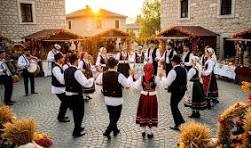
Festival celebrations often include music, dancing, colorful costumes, traditional foods, parades, and cultural performances. These events provide opportunities for families and neighbors to reconnect while welcoming visitors who wish to learn about local customs.
For travelers, attending a community festival offers an authentic glimpse into local life. Rather than observing culture from a distance, visitors become part of the celebration, experiencing traditions as they are practiced by the people who preserve them.
Traditional Food and Culinary Heritage
Food is one of the most enjoyable ways to experience local culture. Every region develops recipes based on available ingredients, climate, agricultural practices, and historical influences. Traditional meals often reflect centuries of culinary knowledge passed through families.
Visiting local markets, family-owned restaurants, and community food festivals introduces travelers to authentic flavors that cannot be replicated elsewhere. Many recipes carry stories about family gatherings, celebrations, and seasonal harvests, making food an important part of cultural identity.
Cooking techniques, spices, baking methods, and serving traditions also vary between regions, offering visitors opportunities to learn about local history through cuisine. Sharing meals with local families often creates lasting memories and meaningful cultural connections.
Music and Dance as Cultural Expressions
Music and dance communicate emotions, history, and identity in ways that transcend language. Traditional songs often tell stories of historical events, community values, love, work, and everyday life.
Local dance performances preserve ancient movements, costumes, and rhythms that have been refined over generations. Instruments crafted from regional materials contribute to the distinctive sounds associated with different cultures.
Community performances, concerts, and cultural festivals provide opportunities for visitors to experience these artistic traditions firsthand. Participating respectfully in music and dance celebrations encourages appreciation for the creativity and talent found within local communities.
Traditional Arts and Handcrafted Goods
Craftsmanship remains an essential part of many cultural traditions. Skilled artisans produce pottery, weaving, wood carvings, textiles, jewelry, ceramics, paintings, and other handmade items that reflect local history and artistic heritage.
Traditional techniques are often taught through apprenticeships within families or community workshops. Each handcrafted item represents not only artistic skill but also generations of accumulated knowledge.
Purchasing authentic handmade products supports local artisans while helping preserve traditional crafts that might otherwise disappear. Visitors who learn about the stories behind these creations often develop greater appreciation for the dedication required to maintain these artistic traditions.
Language and Storytelling
Language is one of the strongest expressions of cultural identity. Regional dialects, traditional sayings, and oral storytelling preserve historical knowledge, folklore, and community values.
Storytelling has long served as a way to educate younger generations, entertain audiences, and strengthen cultural bonds. Legends, myths, and family histories often explain natural landmarks, historical events, or moral lessons that continue to influence community life.
Travelers who learn a few words or phrases in the local language demonstrate respect and openness, often leading to warmer interactions with residents. Even simple greetings can create positive connections and memorable conversations.
Religious and Spiritual Traditions
Religion and spirituality influence many aspects of local culture, including architecture, festivals, music, clothing, and daily routines. Places of worship often serve as community centers where traditions are preserved through ceremonies, celebrations, and acts of service.
Visitors who explore religious sites gain insights into the beliefs and values that shape local communities. Respectful behavior, appropriate attire, and awareness of cultural etiquette are essential when visiting sacred spaces.
Understanding religious traditions helps travelers appreciate the historical significance of monuments, rituals, and celebrations that might otherwise appear unfamiliar.
Family and Community Values
In many cultures, family forms the foundation of community life. Multi-generational households, shared celebrations, and strong support networks reflect values that emphasize cooperation, respect, and mutual responsibility.
Local traditions often revolve around important life events such as births, weddings, anniversaries, and seasonal celebrations. These occasions strengthen relationships while reinforcing cultural identity across generations.
Community gatherings, volunteer activities, and neighborhood celebrations also demonstrate the importance of collective participation in preserving local traditions.
Traditional Clothing and Cultural Identity
Traditional clothing reflects regional history, climate, available materials, and artistic preferences. Garments worn during festivals, weddings, ceremonies, and cultural performances often feature distinctive patterns, embroidery, colors, or handcrafted details unique to a particular region.
These garments frequently symbolize social status, family heritage, or ceremonial significance. Skilled artisans spend countless hours creating traditional clothing using techniques passed down through generations.
Visitors attending cultural events should appreciate these garments as meaningful expressions of identity rather than simply decorative costumes.
Rural Traditions and Everyday Life
While cities often evolve rapidly, rural communities frequently preserve traditional lifestyles that have remained largely unchanged for generations. Farming methods, seasonal celebrations, local markets, and agricultural practices continue to reflect long-standing customs.
Visiting rural villages offers opportunities to observe traditional craftsmanship, home cooking, farming techniques, and community cooperation. These experiences provide valuable perspectives on sustainable living and the close relationship between people and their natural environments.
Many travelers find that rural hospitality and slower-paced lifestyles create especially meaningful cultural experiences.
Responsible Cultural Tourism
Responsible tourism encourages visitors to appreciate local cultures while minimizing negative impacts. Respecting customs, asking permission before photographing individuals, supporting local businesses, and learning about community traditions contribute to positive cultural exchange.
Travelers should avoid treating traditions as entertainment without understanding their significance. Instead, approaching cultural experiences with curiosity and respect creates more authentic interactions.
Supporting local artisans, guides, restaurants, and accommodations also helps communities preserve their cultural heritage while benefiting economically from tourism.
Preserving Cultural Heritage
Globalization, urbanization, and technological change present both opportunities and challenges for cultural preservation. While modern communication allows traditions to reach wider audiences, some practices risk disappearing as younger generations adopt new lifestyles.
Museums, schools, cultural organizations, and community leaders play essential roles in documenting traditions and encouraging their continuation. Festivals, educational programs, language preservation efforts, and artisan workshops all contribute to safeguarding cultural heritage.
Tourism can also support preservation when visitors value authentic experiences and choose businesses committed to maintaining local traditions.
Learning Through Cultural Experiences
Travel provides opportunities for lifelong learning that extend beyond guidebooks and museums. Participating in cooking classes, craft workshops, cultural tours, dance lessons, or language exchanges allows visitors to engage directly with local communities.
These interactive experiences foster greater appreciation for the knowledge, skills, and traditions that define different cultures. They also encourage meaningful conversations that help break down stereotypes and promote understanding between people from diverse backgrounds.
By approaching every destination with openness and respect, travelers gain richer experiences while contributing positively to the communities they visit.
The Future of Local Traditions
As societies continue to evolve, many communities are finding creative ways to balance tradition with innovation. Young artisans are combining traditional techniques with contemporary designs, while digital platforms help preserve languages, music, and cultural knowledge for future generations.
Sustainable tourism initiatives increasingly recognize that protecting cultural heritage is just as important as conserving natural environments. Visitors are seeking authentic experiences that support local communities rather than replacing their traditions.
By embracing both heritage and progress, communities ensure that their cultural identities remain vibrant while adapting to changing times.
Conclusion
Local cultures and traditions are the heart of every destination. They shape the identity of communities, preserve valuable knowledge, and create meaningful experiences for both residents and visitors. Through festivals, food, music, dance, craftsmanship, language, and family customs, cultures tell stories that connect the past with the present and inspire future generations.
Travel becomes more rewarding when it focuses not only on places but also on the people who bring those places to life. Respecting local customs, supporting community businesses, and approaching every cultural experience with curiosity help create lasting connections and mutual understanding.
Ultimately, exploring local cultures and traditions reminds us that while every community has its own unique heritage, the values of hospitality, creativity, family, and shared celebration are universal. These timeless traditions enrich the travel experience and encourage greater appreciation for the remarkable diversity that makes our world so fascinating.