
Traditional Cuisine: Preserving Culture Through Food
 Bring Roger
 Traditional cuisine is far more than a collection of recipes. It is a reflection of a community’s history, geography, customs, and values, passed down from one generation to the next. Every region of the world has developed unique dishes using local ingredients, cooking methods, and cultural influences that tell the story of its people. Whether enjoyed during everyday meals or prepared for special celebrations, traditional cuisine serves as a powerful connection between the past and the present.
As travelers explore new destinations, one of the most memorable aspects of their journey is often the opportunity to taste authentic local food. Traditional dishes offer insight into a region’s heritage, revealing how climate, agriculture, trade, and family traditions have shaped the local way of life. From hearty mountain stews and fresh coastal seafood to fragrant spices and handmade breads, every meal represents centuries of culinary evolution.
The Meaning of Traditional Cuisine
Traditional cuisine refers to foods and cooking practices that have been established over many generations within a particular culture or region. These recipes often remain faithful to original preparation methods while reflecting the ingredients naturally available in the local environment.
Unlike modern fast food or globally standardized meals, traditional cuisine emphasizes authenticity, seasonal ingredients, and cultural identity. Families often preserve treasured recipes by teaching younger generations how to prepare meals using techniques learned from parents, grandparents, and ancestors.
These culinary traditions help communities maintain a sense of identity while celebrating their shared history.
Food as a Reflection of Culture
Every traditional dish tells a story. Local ingredients, cooking methods, and serving customs reveal important details about a community’s environment and lifestyle.
In coastal regions, seafood often becomes a central part of the local diet because of easy access to fresh fish and shellfish. Mountain communities may rely on grains, dairy products, and preserved foods that sustain families during colder seasons. Tropical regions frequently incorporate fruits, vegetables, herbs, and spices that thrive in warm climates.
Historical trade routes have also influenced traditional cuisine by introducing new ingredients and cooking techniques. Over time, communities adapted these influences while maintaining their own distinctive culinary identities.
The Importance of Family Recipes
Many traditional recipes are passed down through families rather than written in cookbooks. Parents and grandparents teach younger generations how to prepare meals by demonstrating techniques, sharing stories, and cooking together.
Family recipes often become symbols of heritage, especially during holidays, weddings, birthdays, and other important celebrations. Preparing familiar dishes strengthens family bonds while preserving memories associated with special occasions.
Even small variations in ingredients or preparation methods can distinguish one family’s recipe from another, making every household’s culinary tradition unique.
Local Ingredients Shape Regional Flavors
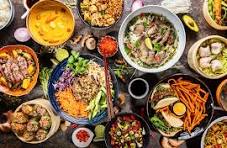
Traditional cuisine depends heavily on locally available ingredients. Fresh vegetables, seasonal fruits, grains, herbs, meats, seafood, and dairy products all contribute to regional flavors.
Using local ingredients supports farmers, fishermen, and food producers while reducing the environmental impact associated with transporting food over long distances. Seasonal cooking also ensures fresher flavors and encourages appreciation for the natural rhythms of agriculture.
Many traditional dishes originated because communities learned to make the best use of available resources, creating satisfying meals from simple ingredients.
Traditional Cooking Methods
Cooking techniques are just as important as ingredients in defining traditional cuisine. Methods such as slow roasting, smoking, fermenting, grilling, steaming, baking, and open-fire cooking have been refined over centuries.
Many traditional recipes require patience and careful attention. Slow cooking allows flavors to develop naturally, while fermentation creates unique tastes and preserves food for longer periods. Handmade preparation techniques, including kneading dough, grinding spices, and shaping pastries, contribute to the authenticity of traditional dishes.
Although modern kitchen appliances offer convenience, many families continue using traditional methods because they preserve distinctive flavors and textures.
Regional Diversity in Cuisine
Even within the same country, culinary traditions can vary dramatically from one region to another. Geography, climate, and local agriculture influence the ingredients and cooking styles found in different communities.
Northern regions may favor hearty soups and roasted meats suited to colder weather, while southern areas often feature lighter meals with fresh vegetables, herbs, and seafood. Mountain villages, river valleys, deserts, and coastal towns each develop distinctive cuisines that reflect their surroundings.
Exploring regional food allows travelers to appreciate the incredible diversity that exists within national culinary traditions.
Festivals and Traditional Food
Food plays a central role in cultural festivals and celebrations around the world. Religious holidays, harvest festivals, weddings, and community gatherings often feature dishes prepared only during special occasions.
Traditional desserts, breads, roasted meats, rice dishes, and seasonal specialties become symbols of celebration and togetherness. Preparing these meals often involves multiple generations working together, strengthening family relationships and preserving culinary knowledge.
Festival foods also attract travelers interested in experiencing authentic local traditions through cuisine.
Street Food and Local Markets
Traditional cuisine is often best experienced through local markets and street food vendors. Freshly prepared meals, regional snacks, and homemade specialties provide authentic flavors while introducing visitors to everyday local life.
Markets display colorful produce, aromatic spices, handmade cheeses, baked goods, and regional delicacies that reflect local agriculture and culinary traditions. Street vendors frequently prepare recipes perfected over decades, offering affordable opportunities to sample authentic cuisine.
These vibrant food environments also encourage interaction between travelers and local residents, creating memorable cultural experiences.
The Role of Spices and Herbs
Herbs and spices are essential elements of traditional cuisine, providing distinctive flavors, aromas, and colors that define regional cooking.
Different cultures have developed unique combinations of seasonings based on locally available plants and historical trade influences. Fresh herbs, dried spices, citrus fruits, garlic, onions, and aromatic roots all contribute to the complexity of traditional dishes.
Beyond flavor, many herbs and spices have long been valued for their nutritional and medicinal properties, making them important components of traditional food cultures.
Traditional Cuisine and Healthy Eating
Many traditional diets emphasize fresh, minimally processed ingredients prepared using time-tested cooking methods. Vegetables, whole grains, legumes, fruits, lean proteins, and healthy fats often form the foundation of these meals.
Portion sizes, seasonal eating, and balanced nutrition have historically played important roles in many traditional food cultures. Family meals encourage mindful eating while strengthening social connections around the dining table.
Although modern lifestyles have introduced convenience foods, many nutrition experts continue to recognize the benefits of traditional eating patterns that emphasize variety and wholesome ingredients.
Preserving Culinary Heritage
As globalization introduces new dining habits and international cuisine, preserving traditional recipes becomes increasingly important. Some cooking techniques and regional specialties risk disappearing if younger generations do not continue preparing them.
Communities, museums, culinary schools, and cultural organizations work to document recipes, teach traditional cooking methods, and celebrate local food heritage through festivals and educational programs.
Travelers can support these preservation efforts by choosing locally owned restaurants, participating in cooking classes, and purchasing authentic regional products.
Traditional Cuisine as a Tourism Experience
Food has become one of the most influential reasons people travel. Culinary tourism encourages visitors to explore destinations through local flavors, cooking workshops, food festivals, vineyards, farms, and traditional restaurants.
Cooking classes provide opportunities to learn authentic preparation techniques while interacting with local chefs and home cooks. Guided food tours introduce visitors to regional specialties and explain the cultural significance behind popular dishes.
These experiences deepen travelers’ appreciation for local culture while supporting family businesses and regional food producers.
Sustainability and Traditional Food
Many traditional cuisines naturally promote sustainable practices by emphasizing seasonal ingredients, locally sourced products, and minimal food waste.
Historically, communities developed creative ways to preserve food through drying, fermenting, pickling, smoking, and curing. These methods reduced waste while ensuring reliable food supplies throughout the year.
Today, interest in sustainable dining has renewed appreciation for traditional cooking practices that respect natural resources and support local agriculture.
Choosing locally produced foods also helps reduce transportation emissions while strengthening regional economies.
Learning Through Traditional Cuisine
Cooking offers an engaging way to learn about geography, history, agriculture, and cultural traditions. Every ingredient reflects local ecosystems, while every recipe tells a story about migration, trade, climate, and community life.
Preparing traditional meals allows people to develop practical culinary skills while appreciating the knowledge passed down through generations. Sharing meals also creates opportunities for conversation, storytelling, and cultural exchange.
Educational cooking experiences encourage greater understanding of diverse cultures while promoting respect for different culinary traditions.
Modern Influences on Traditional Cuisine
Traditional cuisine continues to evolve while maintaining its cultural roots. Contemporary chefs often reinterpret classic recipes using modern presentation techniques while preserving authentic flavors and essential ingredients.
Advances in transportation have increased access to global ingredients, allowing creative fusion dishes that combine culinary traditions from different cultures. At the same time, many communities actively protect original recipes to ensure their authenticity remains intact.
The balance between innovation and preservation allows traditional cuisine to remain relevant while honoring its historical foundations.
Why Traditional Cuisine Matters
Traditional food represents more than nourishment. It preserves memories, celebrates family relationships, strengthens cultural identity, and connects generations through shared experiences.
Whether enjoyed at a family dinner, a village festival, or a neighborhood restaurant, traditional cuisine reminds people of their heritage while welcoming others to experience their culture. Food creates opportunities for conversation, friendship, and understanding that cross language and cultural barriers.
Every traditional meal reflects the creativity, resilience, and resourcefulness of the communities that developed it over centuries.
Conclusion
Traditional cuisine is one of the richest expressions of cultural heritage. Through authentic recipes, local ingredients, family traditions, and time-honored cooking methods, communities preserve their history while sharing it with future generations. Every dish tells a story of the people, landscapes, and traditions that shaped it.
For travelers, exploring traditional cuisine transforms a simple meal into a meaningful cultural experience. Sampling regional specialties, visiting local markets, learning family recipes, and participating in cooking classes provide valuable insights into the identity of a destination.
As the world becomes increasingly connected, preserving traditional cuisine remains essential for protecting cultural diversity. By supporting local food producers, respecting culinary traditions, and embracing authentic dining experiences, both residents and visitors contribute to keeping these remarkable food traditions alive. Traditional cuisine continues to unite families, strengthen communities, and celebrate the rich flavors that make every culture unique.