
International Gatherings: Bringing People Together Across Borders
 Bring Roger
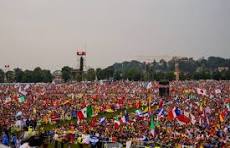
 International gatherings are among the most significant events in today’s interconnected world. They unite people from different countries, cultures, professions, and backgrounds to exchange ideas, celebrate diversity, strengthen partnerships, and address global challenges. Whether organized for business, education, culture, sports, science, diplomacy, or humanitarian efforts, these gatherings create valuable opportunities for collaboration and mutual understanding.
As travel and communication have become more accessible, international gatherings have grown in both scale and importance. Millions of people attend conferences, festivals, exhibitions, trade fairs, sporting events, cultural celebrations, and educational forums every year. These events foster meaningful relationships, encourage innovation, and promote cultural appreciation while contributing to local economies and global cooperation.
Understanding International Gatherings
An international gathering is an event that brings together participants from multiple countries for a shared purpose. These gatherings may range from small academic workshops to large global conventions attended by thousands of delegates.
Each event serves different objectives. Some focus on sharing knowledge and research, while others celebrate artistic achievements, cultural traditions, business opportunities, or athletic excellence. Regardless of their purpose, international gatherings encourage communication between individuals who may have different languages, customs, and perspectives.
By creating spaces for dialogue and cooperation, these events strengthen international relationships and encourage participants to learn from one another.
Promoting Cultural Exchange
One of the greatest benefits of international gatherings is the opportunity for cultural exchange. Participants introduce their customs, traditions, languages, cuisine, music, and artistic expressions while learning about the cultures of others.
Cultural exchange helps reduce misunderstandings by encouraging open conversations and shared experiences. Visitors gain appreciation for traditions that may be unfamiliar, while host communities have the opportunity to showcase their heritage with pride.
Many international events include cultural performances, exhibitions, traditional food markets, and educational activities that celebrate diversity and encourage respectful interaction among attendees.
Business and Professional Networking
International conferences, trade exhibitions, and industry conventions provide excellent opportunities for professionals to expand their networks and develop new partnerships.
Business leaders, entrepreneurs, researchers, and innovators gather to discuss industry trends, present new technologies, and explore potential collaborations. These connections often lead to new investments, joint ventures, research projects, and international business opportunities.
Networking sessions, panel discussions, and workshops encourage participants to exchange knowledge while building relationships that continue long after the event has concluded.
Educational Conferences and Academic Forums
Education plays an essential role in many international gatherings. Universities, research institutions, and professional organizations frequently organize conferences where experts present findings, discuss emerging ideas, and collaborate on future projects.
Students and educators benefit from attending these events because they gain exposure to diverse perspectives and the latest developments in their fields. Academic forums also encourage interdisciplinary cooperation by bringing together specialists from different disciplines.
Workshops, keynote presentations, and interactive discussions create valuable learning environments that inspire innovation and lifelong education.
Celebrating Arts and Culture
International arts festivals showcase creativity through music, dance, theater, film, literature, visual arts, and traditional performances. Artists from around the world share their talents while introducing audiences to unique cultural expressions.
These gatherings encourage collaboration among creative professionals and provide platforms for emerging artists to reach international audiences. Visitors experience performances that reflect diverse histories, beliefs, and artistic traditions.
Art exhibitions and cultural festivals also strengthen appreciation for heritage while inspiring new forms of creative expression through cross-cultural collaboration.
International Sporting Events
Sport has the unique ability to unite people regardless of language or nationality. International sporting events bring together athletes, coaches, officials, volunteers, and fans from around the world in the spirit of friendly competition.
These events promote teamwork, discipline, respect, and perseverance while encouraging cultural interaction among participants. Spectators enjoy opportunities to celebrate athletic excellence while experiencing the hospitality and traditions of host destinations.
Sporting gatherings also inspire young athletes and contribute to the development of sports infrastructure and community engagement.
Tourism and Economic Benefits
Hosting international gatherings often provides significant economic advantages for local communities. Visitors contribute to hotels, restaurants, transportation services, retail businesses, entertainment venues, and cultural attractions.
Large events create temporary employment opportunities while increasing demand for local goods and services. Small businesses, artisans, tour operators, and food vendors frequently benefit from increased visitor spending during international gatherings.
Beyond immediate economic activity, successful events enhance the global reputation of host destinations, encouraging future tourism and investment.
Strengthening International Cooperation
Many international gatherings focus on addressing global challenges that require cooperation across borders. Governments, nonprofit organizations, businesses, researchers, and community leaders meet to discuss issues such as environmental protection, public health, education, technology, sustainable development, and humanitarian assistance.
Through open dialogue and collaborative planning, participants develop strategies that benefit communities worldwide. Sharing experiences and successful practices allows countries to learn from one another while working toward common goals.
International cooperation strengthens diplomatic relationships and encourages peaceful collaboration in an increasingly interconnected world.
Technology Enhancing Global Participation
Advances in technology have transformed the way international gatherings are organized and experienced. Online registration systems, mobile event applications, live streaming, virtual presentations, and digital networking platforms allow participants to engage before, during, and after events.
Hybrid events combine in-person attendance with virtual participation, making international gatherings accessible to individuals who cannot travel. Real-time translation tools and digital communication platforms further improve interaction among participants from different linguistic backgrounds.
Technology has expanded opportunities for global collaboration while reducing barriers to participation.
Sustainability in International Events
As awareness of environmental issues grows, many event organizers are adopting sustainable practices that reduce the environmental impact of international gatherings.
Eco-friendly initiatives include digital event materials, recycling programs, reusable badges, energy-efficient venues, sustainable catering, and environmentally responsible transportation options. Organizers also encourage participants to reduce waste and support local businesses whenever possible.
Sustainable event planning demonstrates that large international gatherings can achieve their objectives while protecting natural resources and supporting community well-being.
Volunteer Contributions
Volunteers are essential to the success of many international gatherings. They assist with registration, visitor information, transportation coordination, language support, venue operations, and guest services.
Volunteering provides valuable experience while allowing individuals to meet participants from different cultures and develop communication, leadership, and organizational skills.
Communities often take great pride in welcoming international guests, and volunteers play an important role in creating positive experiences that leave lasting impressions on visitors.
Cultural Respect and Inclusivity
Successful international gatherings are built on respect, inclusion, and understanding. Organizers strive to create welcoming environments where participants from diverse backgrounds feel valued and respected.
Providing multilingual information, accessible facilities, cultural awareness training, and inclusive programming helps ensure that everyone can participate comfortably.
Attendees also contribute by respecting local customs, observing event guidelines, and approaching cultural differences with curiosity and openness.
Inclusivity strengthens collaboration and encourages meaningful conversations among participants from around the world.
Planning Successful International Gatherings
Organizing an international event requires careful planning and coordination. Event planners must consider venue selection, transportation, accommodations, security, accessibility, scheduling, communication, and emergency preparedness.
Effective planning also includes working closely with local authorities, tourism organizations, community groups, and service providers to ensure smooth operations throughout the event.
Attention to participant needs, clear communication, and efficient logistics contribute significantly to the overall success of international gatherings.
Challenges of Global Events
While international gatherings provide many benefits, organizers must also address various challenges. Coordinating participants from multiple countries requires careful management of travel arrangements, visa requirements, language differences, cultural expectations, and scheduling across time zones.
Unexpected weather conditions, public health concerns, transportation disruptions, and security considerations may also require flexible planning and contingency measures.
Despite these challenges, thoughtful preparation and strong partnerships help organizers deliver successful events that achieve their intended goals.
The Human Connections That Matter Most
Perhaps the greatest value of international gatherings lies in the relationships they create. Conversations over shared meals, collaborative workshops, cultural performances, and informal networking sessions often lead to lifelong friendships and professional partnerships.
Participants return home with new perspectives, greater cultural awareness, and valuable knowledge gained through direct interaction with people from different backgrounds.
These personal connections help build trust, encourage cooperation, and strengthen global communities long after the event has ended.
The Future of International Gatherings
As technology continues to evolve and global collaboration becomes increasingly important, international gatherings will continue adapting to changing needs. Hybrid formats, digital networking tools, sustainable event practices, and greater accessibility will make participation possible for even more people.
Future gatherings are likely to place increased emphasis on environmental responsibility, cultural inclusion, and innovative collaboration while maintaining the personal interactions that make face-to-face events so valuable.
By embracing new technologies alongside traditional hospitality, international gatherings will remain powerful platforms for learning, cooperation, and cultural exchange.
Conclusion
International gatherings bring together people from around the world to share ideas, celebrate cultures, build partnerships, and address common challenges. Whether focused on education, business, science, sports, the arts, or community development, these events encourage understanding and cooperation that extend far beyond the event itself.
The success of international gatherings depends not only on careful planning but also on the willingness of participants to learn from one another with respect and openness. Through meaningful conversations, collaborative projects, and shared experiences, attendees develop lasting relationships that strengthen both local communities and global connections.
As the world becomes increasingly interconnected, international gatherings will continue serving as important bridges between cultures, industries, and nations. They remind us that despite our diverse backgrounds, people everywhere benefit from communication, cooperation, and the shared pursuit of knowledge, creativity, and progress.